This edition
Message from the board, by Ammerins Moss-de Boer
Save the dates: Next in Books & Booze
In memoriam: Jessica Winters, by Dirk Visser and Monique Swennenhuis
Theatre reviews:
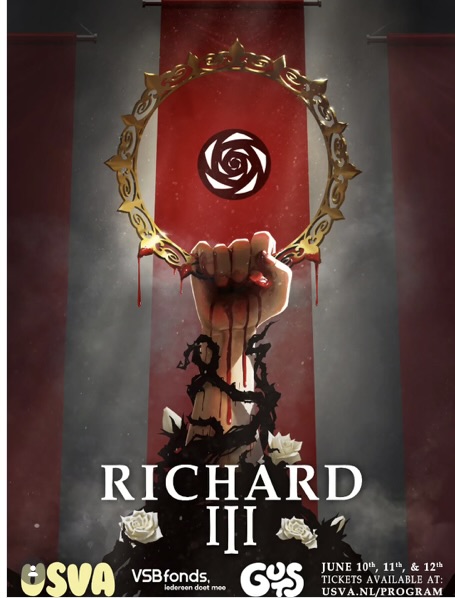
GUTS performing Richard III, by Reinou Anker-Sollie
As You Like It in Diever, by Marjan Brouwers
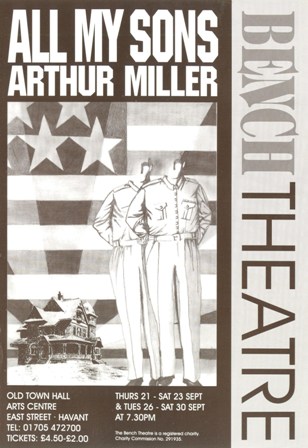
Dramatic Change: All My Sons by Arthur Miller, by Elke Maasbommel
In praise of the essay: a forgotten art, by Ammerins Moss-de Boer
Two years in books: looking back at Books & Booze
What to drink? by Elke Maasbommel
Summertime picknick, by Monique Swennenhuis
Message from the board
by Ammerins Moss-de Boer
All the world’s a stage,
And all the men and women are merely players;
They have their exits and their entrances
Whoever recognizes this as a quote from Jaques’ monologue from As you like it (Hans J. doesn’t get to play), well done!
This monologue about the seven ages of men is quite deep and even a bit morose, ending with “mere oblivion, sans teeth, sans eyes, sans taste, sans everything”, but to me, it actually feels quite comforting at the moment.
The world seems to be one big tragicomedy, with all the political shenanigans going on, environmental disasters and other simply unbelievable events and characters, which makes you almost think you’re watching a movie.
To me, this quote is the essence of rationalism; Whatever we do on this stage, however much of a fuss we make, however much we beat our own drum, eventually we will “exit left” (or right) and the world will continue without us. Earth will continue to turn without us and life, nature, will go on.
Okay, come to think of it, that does sound a bit morose…
Anyway. These are the things that go around in your brain in the middle of a night during a heatwave… You start thinking about life and mortality, especially when you get the news of a brilliant academic who had to let go of her precious life way to early. A few memories of Jessica Winters can be read in this Anglophile. Let us all make the most of the time we have on this stage, play your part with gusto, make a fuss, do a twirl, and be memorable!
We have a new Anglophile for you again, full of drama and theatre – luckily all on a bit of a happier note than this introduction. And if all of that won’t cheer you up, try one of the (summer) cocktails! Cheers!
We want you!
To be able to continue organizing alumni events, make sure we have enough contributions for the Anglophile and keep on top of developments in the alumni and academic communities, we are looking for an extra person to join our board. We meet around 7-8 times a year, either in person in Groningen or online.
Want to share your thoughts and be involved? Send an e-mail or call us for more information: alumniclubengelsgroningen@gmail.com / 06-12730063 (Ammerins)

Save the dates!
Plenty to read this summer! Prepare yourselves for a lovely reading season!
- 11 September: The Catcher in the Rye – J.D. Salinger
- 13 November: Lanark – Alasdair Grey
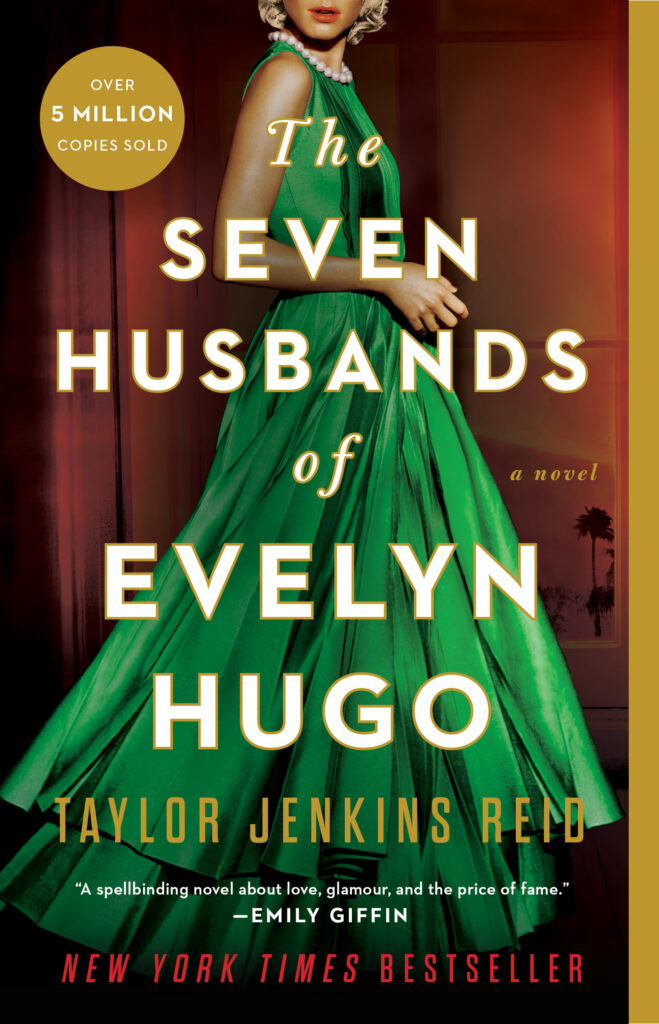
- 12 February: Seven husbands of Evelyn Hugo – Taylor Jenkins Reid
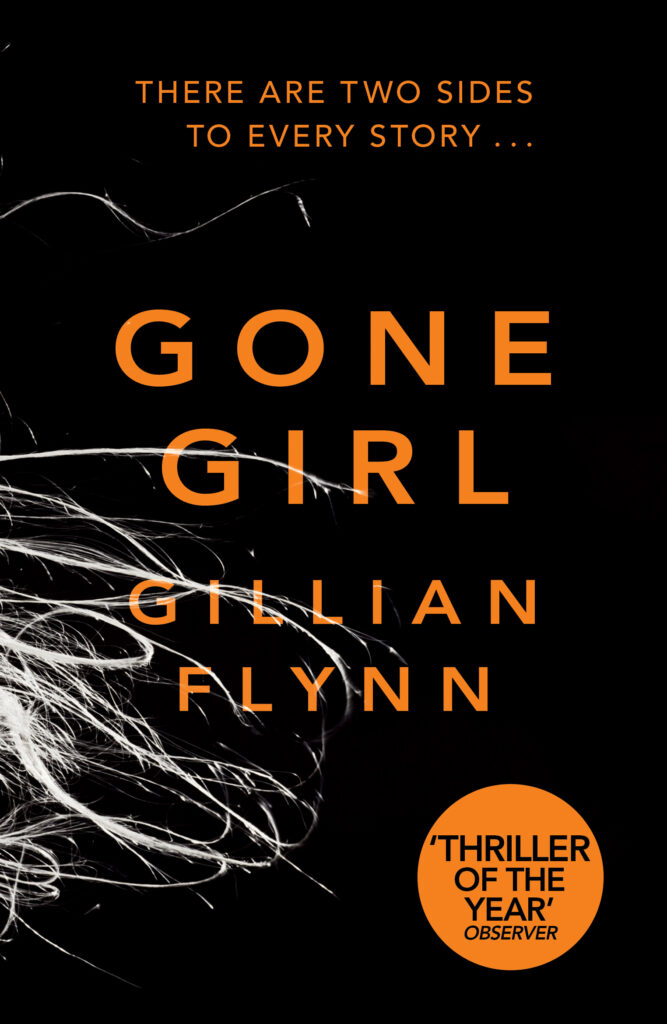
- 9 April: Gone Girl – Gillian Flynn


In memoriam
Jessica Winters: 6 October 1971 – 29 June 2026

When the sad news about Jessica’s death reached us, we decided to ask two of our members to share their memories of her with us. Dirk and Monique both knew her personally for years and were willing to do so.
Remembering Jessica (1)
by Dirk Visser
I got to know Jessica during my years of teaching with the Groningen American Studies department, where Jessica was study advisor. In that capacity, she fulfilled a variety of tasks, varying from counselling students coping with difficulties during their studies to acting as jack-of-all-trades during the annual introduction camp at Schier (“Jess, have you got any sellotape?”). In whatever job she took on, she showed the warm personality of a study advisor who took a genuine interest in her students, but who at the same time did not let those students walk over her.
I will never forget the time when, during a mentor meeting, a student broke down in my office, when telling me about family circumstances affecting their studies. When I then called on Jessica’s help, she immediately left the meeting she was in, and rushed to my office to come to that student’s aid. The pastoral care and professional guidance she showed towards that student has remained an example for me.
Another important post that Jessica held at the AS department was that of coordinator of the exchange program with universities in the US. In that capacity she not only maintained contacts with all partner universities, but was continually trying to recruit more universities, in order to meet the huge demand for exchange places by Groningen students. I don’t know how she did it, but year after year Jessica managed to get most students assigned to their preferred university.
How much students valued Jessica became clear once more through the big turnout at her farewell reception when she left Groningen for Utrecht. Since that time, I lost track of her. Nevertheless, the unexpected and sad news of her death came as a shock. At the same time, it rekindled many fond memories of a dear colleague.
Remembering Jessica (2)
by Monique Swennenhuis
After being a student advisor, Jessica pursued a career in marketing, which led to a beautiful career, first in Groningen, later at the University of Utrecht. Here too she was known for her loyalty and kind heart, but also for her willingness to explore new developments, whether they were new online tools, social media, or strategic choices.
Ten years ago, she suffered from a massive stroke, which took her a long time to come back from. But she always stayed strong, positive and a friend and support to the people around her.
In 2024 she went back to Groningen, starting as head of marketing and communications at the Alfa College. But in the end, she was going for a drastic change, choosing quality of life above career. She was going to start a gardening business, since she loved spending time and energy in the garden. She never got to fulfil that dream. Another stroke ended her life on 29 June. She was a friend, a well of knowledge, an inspiration, and above all a truly good person, loved by everyone. I am grateful that I got to know her, and I will miss her.
Theatre reviews
A Dramatic Change – All My Sons by Arthur Miller
By Elke Maasbommel
I feel like I’ve been having an affair. After years of blind devotion to my true love, my eyes started to wander. It’s not like I was bored or in need of something new, but I just stumbled upon it – and ever since, I’ve been unable to put it out of my mind.

I keep telling myself it’s ok, because I haven’t been dividing my attention or neglecting any of my duties. Also, I don’t think going to a play instead of a reading a book actually counts as cheating, for both are considered literature. Still, watching a recording of Arthur Miller’s play All My Sons has allowed me to experience something so completely new and exciting that it might have changed my life. Want to know why? Read on!
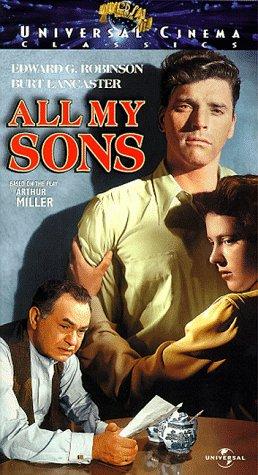
Arthur Miller’s 1946 play All My Sons, directed by Ivo van Hove and starring Bryan Cranston and Marianne Jean-Baptiste, started with a tree falling and a woman trying to prevent it from doing so. Then the curtain went down and up and the play truly began: Joe Keller, a businessman sits on the fallen tree and reads the news. We then find out that his oldest son Larry went missing during the war and is presumed dead, that his wife Kate is still denial about this, that he was almost convicted of selling faulty aircraft engines and that his partner really was, that his youngest son Chris suffers from survivor’s guilt and wants to marry Ann, his older brother’s former fiancée. So, what would happen next? I desperately wanted to find out.
I have always loved books and can spend hours just sitting on my couch or lying on my bed because I wanted to reach the conclusion of a wonderful story. This, however, was different. Something new and exciting was happening to me. I felt it all over my body: a heightened focus, a faster heart rate, an inability to look away. It felt bigger, more exciting, more urgent, in a way, than what I’d known from books. The play was only a couple of minutes in, and I was aware it wouldn’t last that long.

It was love at first sight, and I was falling hard. It was fast-paced, it was all dialogue, it was clever and it was subtle. I couldn’t stop watching, and I wanted to know what had truly happened in the war, what part Joe had played in it, and why everyone was so unhappy all the time, and why they were trying so hard pretending to be fine.
When we’re in love, we tend to see only the best things in people. I saw Joe was hiding something from his awkward laugh, I realised Kate knew more than she let on because of the things she didn’t quite say. I was aware of Chris’s too-big smile, which meant something must be the matter. I knew they weren’t perfect, but I still I was convinced that they were trying their best, and that they were good people. They had done the things they’d done because they were scared, because they were afraid to disappoint their loved ones, because American society demanded it from them, because they needed money, and because they’d told themselves this was their only option. They couldn’t help it.
This must be what it’s like, I thought, to meet someone new, to want learn all about them, to want to know more and more, to get sucked in, and to tell yourself you can somehow look through them and to be the only person in the world who truly understands them. You know that you’ve got something really special going on. Everyone has their flaws, but somehow you tell yourself this doesn’t matter, because you are convinced you can fix them. Until you realise that you can’t, and that nobody possibly could.
Until everything changes. Eventually, you’re bound to find out things you wish I you didn’t know. It turned out that Joe had done something so disastrous that it affected everyone involved, and he never truly took responsibility for it, until he couldn’t run away from it any longer. During the last twenty minutes of the play, after I’d felt elation, happiness, giddiness even, and compassion, I experienced shock, sadness, disappointment, anger, and, again, compassion. As in a love affair turned sour, everything had come crashing down. We finally find out what had happened to Larry, and why. Kate had known all along, Chris only pretended he hadn’t. Joe couldn’t escape his responsibilities anymore and did the only thing he could think of. And that’s how it ends, and that’s how my hopeful heart was broken, after only two hours and fifteen minutes. Affairs never last very long, do they?
The play was over, and I felt unable to speak. I think I must have been quiet for at least ten minutes, and my boyfriend sitting next to me was equally unable to put his feelings into words. Sitting on that cinema chair, I felt as though something inside of me had born and died soon after. It felt as though watching this play, so very much like meeting someone new, had introduced me to a part of me I had never known existed. I felt more aware of my emotions, the good ones and the bad, and I knew something inside of me had shifted.
We walked away, still silent, and found a spot in the pub near the window. I quietly ordered two gin and tonics, put them down in front of us, and we looked at each other. Wow, he sighed, what a ride that was. I said I agreed. We were happy and we were sad. This, I claimed, is why literature matters, whether it’s novels or poetry or, of course, theatre. They tell us what it’s like to be human. Even though Miller wrote his play in 1946, it might be even more relevant than ever before.
It’s been several weeks since I saw All My Sons. Saw it twice, in fact. I still love it and I still hate it, and I’m still confused about everything. What was it about this play that made me feel so much, more even than in any book I’ve ever read? I haven’t thought of anything else, I’ve dreamt about it, and I’ve talked about to everyone about just how perfect it was.
I’m so sorry, my dear books, but I’ve met someone.




Now is the winter of our discontent
Made glorious summer by this sun of York
by Reinou Anker-Sollie
These famous opening lines set the stage for GUTS’ production of Shakespeare’s Richard III at the USVA. Our leading man, Samuel Stork, delivered a magnificent performance. He portrayed Shakespeare’s infamous anti-hero with charm, perfectly timed glances and winks towards the audience, an unwavering limp, and—sorry, Samuel—a less-than-regal stature. Together, these elements created a Richard who was manipulative, physically impaired, utterly wicked, and impossible to take your eyes off.
Our Queen Elizabeth, played by Cassandra Brand, was equally impressive. Her icy composure was captivating, and she conveyed a remarkable range of emotions with mere facial expressions. As is only natural with a largely young cast, experience varied. Some performers occasionally seemed focused on hitting their marks and delivering their lines, while others fully inhabited their characters. Watching those performances was a real pleasure.
The production also featured a number of clever modern touches. The costumes had a distinct vintage feel—1950s-inspired, perhaps—which suited the production beautifully. The script included the occasional contemporary line, such as “Well, that’s just rude!” and an unexpectedly hilarious “Who the f*** are you?” Both landed perfectly and provided welcome moments of comic relief without undermining the play.
The props were equally inventive. Having a character brandish a revolver while repeatedly referring to it as a dagger or sword could easily have felt jarring, yet it worked surprisingly well. We also loved the use of the telephone, particularly when it was answered with the wonderfully Shakespearean, “Who knocks?”



One of the most prominent and effective pieces of staging was the throne, which, when turned around, transformed into the Tower of London. It was an elegant solution that allowed scene changes to happen swiftly without interrupting the flow of the performance.
And, of course, no production of Richard III would feel complete without hearing the immortal cry: “A horse! A horse! My kingdom for a horse!” It remains one of Shakespeare’s most iconic lines and brought the play to a fittingly dramatic conclusion.
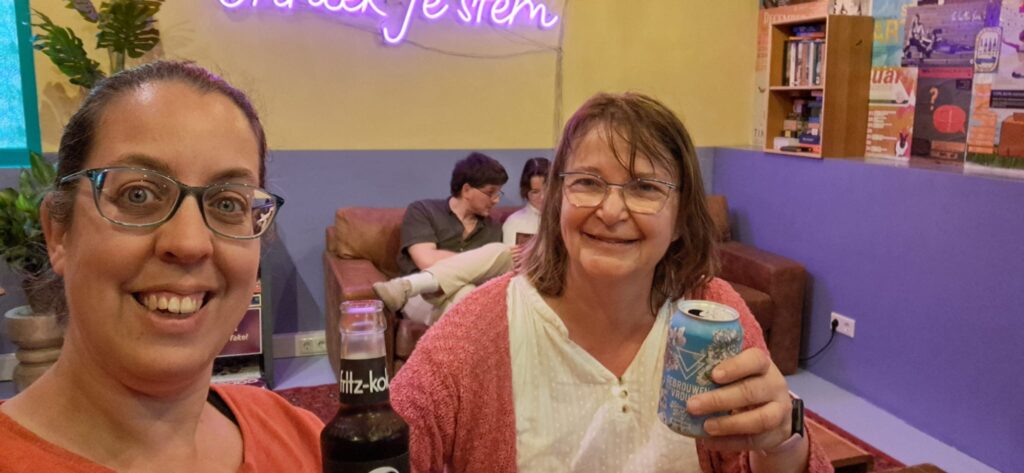
Overall, GUTS delivered an engaging, inventive and thoroughly enjoyable production that balanced Shakespeare’s tragedy with humour, creativity and strong performances. It was a wonderful evening of theatre, and we look forward to seeing what they tackle next.
As You Like It
by Marjan Brouwers
On a Sunday afternoon in June, Monique and I were enjoying a scrumptious high tea to celebrate our birthdays, when she suddenly asked: ‘Did we forget to buy tickets for Diever?’ I agreed, we might have forgotten, but checked my phone anyway. That same afternoon, we informed our spouses that we were going to see the try-out of As You Like It the following Friday, the 19th of June. We hustled up some snacks, bottles of wine and water, and drove off to attend Hans Jansen’s introduction and see the play.

Now, we usually go to Diever in September, often to one of the last days of the play’s run. We dress warmly, make sure we have raincoats and blankets, and put on extra socks for the chilly evenings. No need, this time. It was one of those days that the KNMI issued a code orange warning: heavy thunderstorms were on their way. In the meantime, it was sweltering hot, and we pitied the actors. We didn’t even know for sure whether the play would be finished before the first lighting strikes would reach us, but fortunately, the storm arrived after the actors had taken their final bows.
After Hans had explained what to expect, we found seats on the front row and had a great time, in spite of the heat. Again, Jack Nieborg and his cast treated us to a very funny, playful and modern version of Shakespeare’s comedy As You Like It, involving the audience more than ever before. Including quite an unexpectant wedding at the end! We saw young men dressed up as women, we saw a jester conversing with members of the audience, we were surrounded by a wonderful, fairytale-like set and then even the traditional hot sausages had a part to play.
Now, what is As You Like It about? I didn’t really remember much about the play beforehand, but this is what I found on the website of the Diever Theatre:
In this light-hearted romantic comedy, everyone flees into the woods to be someone else and to fall hopelessly in love with the wrong person. Who belongs with whom, and which lid fits which pot? There’s still plenty to happen in the woods before all the lovers fall into each other’s arms and, in the end, love emerges as the great and sole victor.
Quite an accurate summary of what you will experience, if you’ve been fortunate enough to buy tickets in time. If you have not, you’re out of luck. The play is sold out! If you have: you are in for a great night!
Up for a guided tour?
By the way: on that hot night in June, we heard it is possible to book a guided tour of the Diever Theatre. Quite an interesting idea, according to one of the volunteers who told us about this. You can book a tour on your own, or perhaps we can go as a group later this year. If you are interested, please send us an email and we’ll see what we can arrange! More information about the tour is available here.



Essays
In praise of the essay: a forgotten art
by Ammerins Moss-de Boer
I still wake up in a sweat thinking about those exams where you were lulled into a sense of security after a nice, easy text on puffins on Shetland, how football can bring joy in the city slums in Ghana, or a young-adult poem on first love – to then get that simple prompt: “Now, write an essay on…” and drawing a complete blank.

Yet, that blank page – so terrifying in exams – is exactly where the magic of essay-writing begins. The blank page makes you think. What do I actually know about puffins, migratory routes, native birds and bird protection? How do I feel about the uniting power of football, FIFA and fair play, hooligans, and what is the best beverage to drink while watching a game? (spoiler: it’s watery beer)
Essays force us to confront the gaps in our knowledge and the depths of our opinions, turning blankness into clarity. Simple topics can spark profound discussions; at least they do in our house. Especially on languid summer evenings, or long drives, what is better than a good natter, to explore our opinions and find solutions to the biggest problems in the world?
But, who actually reads or writes proper essays nowadays? And I don’t mean the columns in newspapers and magazines, even though that would be the closest most people get to an essay these days. No, proper essays, where the author really goes on a journey of discovery, of trying out various thought processes, exploring various avenues and viewpoints, to then either come to a definitive opinion, or end up somewhere they never expected to go. It’s a very introspective activity, where you learn a lot about yourself too.
I’m not alone in this rediscovery. Last year, during a brainstorming session about what type of event we wanted to organize: our Frisian writers’ association asked the same question: Who still writes (or reads) proper essays? The answer came in the form of a competition, and we noticed that the essay is far from dead. We received 20 entries – of variable quality, of course – and really got the tongues wagging again about essayism. After the prize ceremony, the first question we got was: When are you going to organize this again? This was so much fun!
Turns out the essay is not dead at all, and I am now making an effort to read more of them. Essays are usually a lot shorter than novels, so you can easily fit one in on a train ride to work or read a funny essay (yes, they do exist!) to unwind after work. I have re-discovered a few classics, such as Jonathan Swift, Hannah Arendt and George Orwell, but also more contemporary writers, such as Joan Didion and Zadie Smith, and am being swept up in their musings on literature, politics, love, family, religion and self.
So, if you feel you don’t have the time to read the 100 Best Novels, why not start with an essay? It’s a bite-sized journey into big ideas—and you might just find yourself hooked.
It’s a mystery!
Sidekicks
by Marjan Brouwers

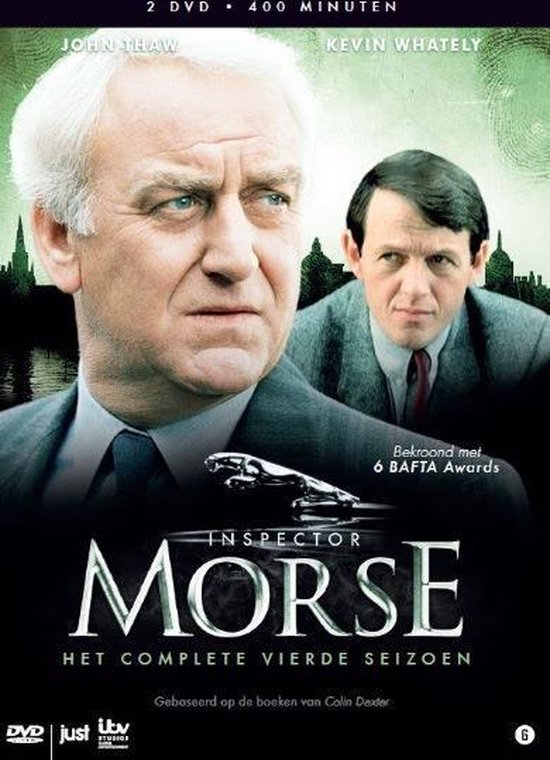
John Watson, Sergeant Robbie Lewis, Captain Hastings,Gavin Troy and Charlie Nelson, James Hathaway and Harry Klein. Every one of them brave and likable, but forever overshadowed by their brilliant superior. Whenever a murder needs to be solved or a stolen necklace, child or treasure has to be retrieved in time, they do the legwork, but never get the credit. More likely, they will be shot or stabbed, abducted or kicked in the head for their trouble, but the Detective in charge is the one who will crack the case and receive applause. That’s the sad fate of the sidekick.
Why do authors of detective and crime mysteries bother with a sidekick, you may wonder. The Detective is usually so brilliant, he (or she) doesn’t really need a stodgy, slow and rather uninteresting assistant. Or does he? As I said above, sidekicks often get in trouble while the Detective is solving the case. They go on errands that turn out to be dangerous, they make sure the detective gets a decent meal once in a while and they are very good listeners.
And right there, you know why all those intelligent Detectives need a sidekick. To feed them and keep them sane (Watson), to pay for their beer (Lewis), but most importantly: to ask questions and listen carefully to the answers. The most important purpose of the sidekick is keeping us readers up to speed. Like us, the sidekick is just an ordinary mortal being, not too bright, at least not as intelligent as the Detective. However, they are curious enough to ask a lot of questions the Detective is usually – if he is in the mood – quite willing to answer. The sidekick serves an important purpose this way: he asks the kind of questions us readers would like the answer to. He has the same doubts as we do and voices what we think when the Detective is at work. By patiently (or not so much) explaining to the sidekick which leads are useful, who is most suspect and how the crime was probably committed, we readers get the chance to solve who dunnit and why before the Detective brilliantly reveals all this in the library.
The best-known examples of duo’s fitting this rather old-fashioned mould are Sherlock Holmes and John Watson, Morse and Lewis, Hercule Poirot and Captain Hastings, both Midsommer Barnaby’s and their consecutive and usually rather flabbergasted sergeants, and of course the famous German Kommissar Derrick and Harry Klein. Now, most of these duo’s are typical examples of male bonding between an older, wiser, sometimes rather grumpy man and his young, eager, inexperienced and often rash assistant. Although Watson and Hastings are men of learning and experience themselves, they always have to accept that Holmes and Poirot are way ahead of them.
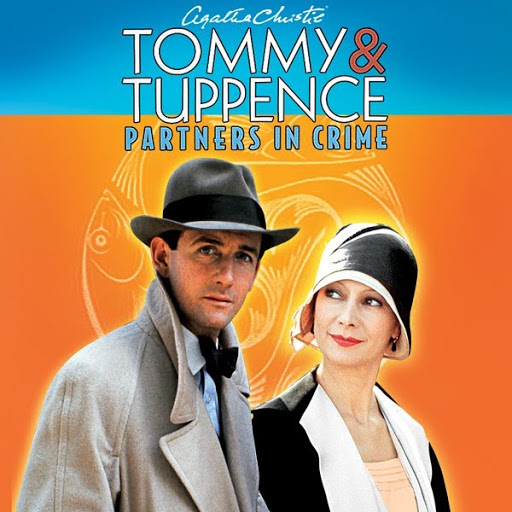
Over the years, mystery authors also introduced female sidekicks, who are usually much more on an equal footing with the Detective than their male counterparts. Take Agatha Christie’s Tuppence, for instance: she is a typical ‘plucky young thing’, who is never outshone by her partner Tommie. Harriet Vane, the female sidekick of Lord Peter in the Dorothy L. Sayers’ books is even more independent and intelligent.
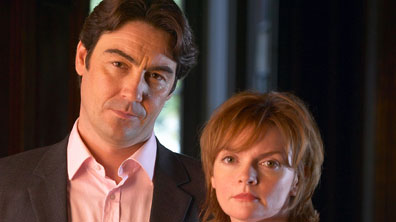
More recently, the American author Elizabeth George introduced Thomas Lynley and Barbara Havers: a very posh detective inspector and his female working-class DS. There is nothing plucky about Havers, to the contrary. She is straightforward, honest and self-conscious. She doesn’t care a fig about her looks, unlike Lynley, who is very particular about his appearance. When the books were adapted for a tv-series in the eighties, Elizabeth George was at first worried when she heard Scottish actress Sharon Small had been cast to play Havers. She thought the actress was way too pretty for the role, but changed her mind when she saw how well Small portrayed Havers.
Now, in the Lynley series there is plenty of romance going on, but never between detective and sidekick (although fans have been shipping the duo, but I don’t see any romantic sparks flying). They respect each other, but they will never fall in love, unlike Cormoran Strike and Robin Ellacot. Robert Galbraith (a.k.a. J.K. Rowling) is writing a series of detective books about a veteran soldier turned detective and his smart, pretty sidekick Robin (who eventually becomes his equal partner in the detective agency).
The Strike books feature a flawed detective with a heap load of personal trauma to deal with. Cormoran Strike resembles detectives like Ian Rankin’s misanthropic ex-SAS officer John Rebus, Colin Dexter’s boozy Morse, P.D. James’ cold Dalgliesh and of course Peter James’ rather cruel Roy Grace: all of them struggle with their past, with broken relations, addictions and loneliness. Their sidekicks are usually their opposites in many ways, but only in Strike (as far as I am aware) the relation between detective and sidekick changes into an excruciatingly slow love affair. Eight books in, readers are still wondering when they will finally admit their feelings for each other. Or not.
Sidekicks have been an integral part of detective writing from the beginning, but over time their role changed. What remained the same, however, is the importance of the relationship between Detective and Sidekick. However superior Holmes, Morse and Lynley may behave, they cannot do what they are good at without the support of Watson, Lewis and Havers. To the contrary: they come to rely on their sidekick and feel responsible for them. When Lewis is nearly fatally shot in the episode Twilight of the Gods, Morse is deeply shocked and stays by Lewis’s bedside till he is certain Lewis will live. Something similar happens in The adventure of the Three Garridebs: Watson is shot when Holmes has lain a trap to catch a killer. Holmes is emotionally distraught and later apologies for putting Watson in mortal danger. Detached Lynley also loses his cool when Havers is wounded in The Presence of the Enemy and like Morse, stays at her bedside in the hospital, blaming himself for not taking better care of her.
Myself, I often prefer the sidekick to the detective. I like it when Havers worries about her mother, her clothes and Lynley’s sanity. I love it when Lewis saves the day instead of Morse. Overall, Lewis is my top choice as far as sidekicks go: he is down to earth, smart, a family man and he knows exactly how to deal with grumpy Morse. I was very pleased when Lewis became a detective himself with a sidekick of his own. He certainly treats Hathaway more like an equal than Morse ever did.
Do you prefer sidekicks to detectives? And if you do, which sidekick is your favourite? Let us know, or better still: devote an essay to this subject for our next edition!
Two years in books: looking back at Books & Booze
by Marjan Brouwers
It is a truth universally acknowledged that a good book becomes better with a good drink. For many people, a cup of tea would be the best option, but others (including many writers, some of whom claimed that they could not write a single word without the help of a good, stiff drink) think that they need something stronger. Well, we tend to agree. And that is why we have decided to start a new kind of book club: the Books and Booze Club.
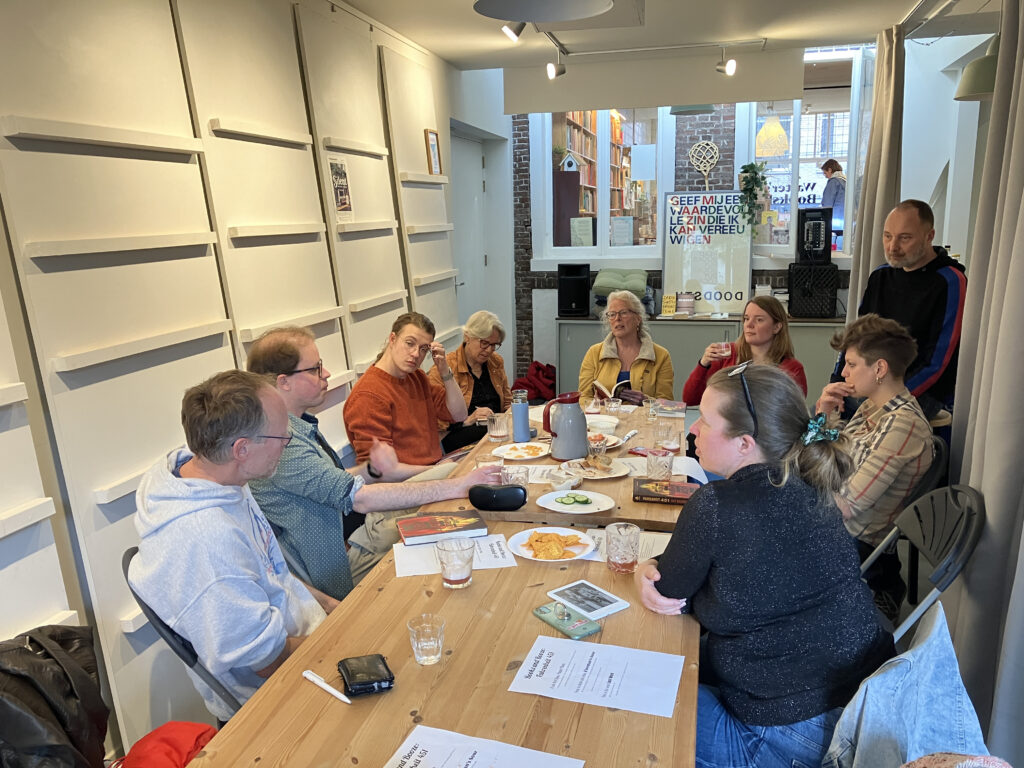
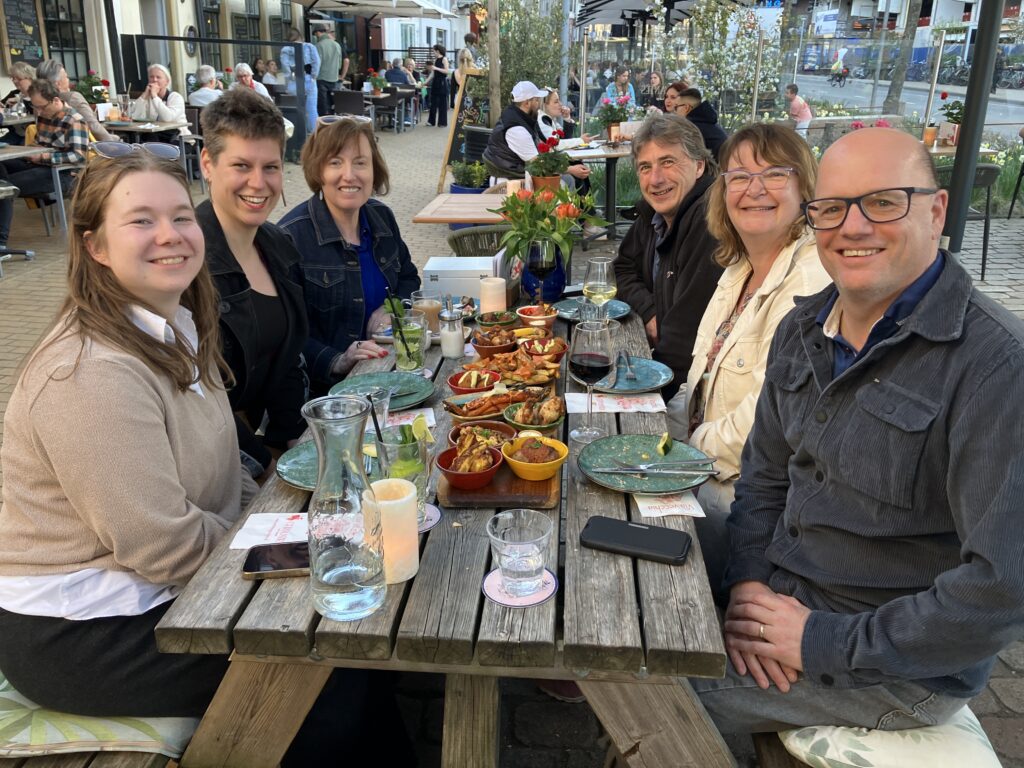
This is how Elke Maasbommel introduced the wonderful idea to start an alumni Bookclub featuring books and drinks in the Christmas edition of the Anglophile of 2023. Yes, it is true: Books & Booze has been running for nearly three years! So, which books did we read in that time? And of course, we thank Elke and Ynze for their wonderful cocktails and the staff of Walter’s Bookshop for their hospitality.
Did we have a good time? Yes, of course we did. See for yourselves!




And don’t forget to sign up for the upcoming session on 11 September, when we will be reading J.D. Salinger’s classic novel The Catcher in the Rey!
The books we read up till now:
- Jeannette Winterson: Nightside of the river
- Ray Bradbury: Fahrenheit 451
- Sarah Waters: The Paying Guests
- Kathryn Barker: Waking Romeo
- Sally Rooney: Normal People
- Mary Shelly: Frankenstein
- Sylvia Plath: The Bell Jar
- A.S. Byatt: Possession
- Jane Austen: Pride and Prejudice
- Stephen King: 11/22/63
- Kiran Desai: The Loneliness or Sonia and Sunny
What to drink?
by Elke Maasbommel
The holidays have started, it’s hot outside, you’re reading a nice book… That means there’s only one thing missing: a decent cocktail!
We have delved into the back catalogue of the Books and Booze sessions, and come up with three cocktails that will really help you relax and feel extra summery. So, how to decide which one you should make?
Take a look at these three descriptions and find out which book speaks to you most. If you didn’t like it, well, then just try another one. The recipes are presented below.
Cheers!
The first one is a cocktail for those who have no idea what they’re doing in a sweltering city. Others might think they’re lucky and talented, but somehow they don’t feel that way at all. In fact, they feel nothing at all and drink lots and lots of this wonderful cocktail, until things go terribly wrong. Tempted, but also feeling slightly depressed? Then go for this one, a Daiquiri, as drunk by Esther Greenwood in Sylvia Plath’s The Bell Jar. A wonderful, fresh and deceptively strong cocktail.
The second one might be a bit more cheerful. This one is for people who travel back in time to prevent something important from happening, but then like it too much over then in the past, find a job, accidentally fall in love, and then enjoy themselves dancing to golden oldies. Feel the rhythm? Then try the Moonlight Cocktail, a wonderful and surprising (and surprisingly blue) cocktail whose name is based on a Glenn Miller song. The book is 11/22/1963 by Stephen King, which is a great summer read, by the way.
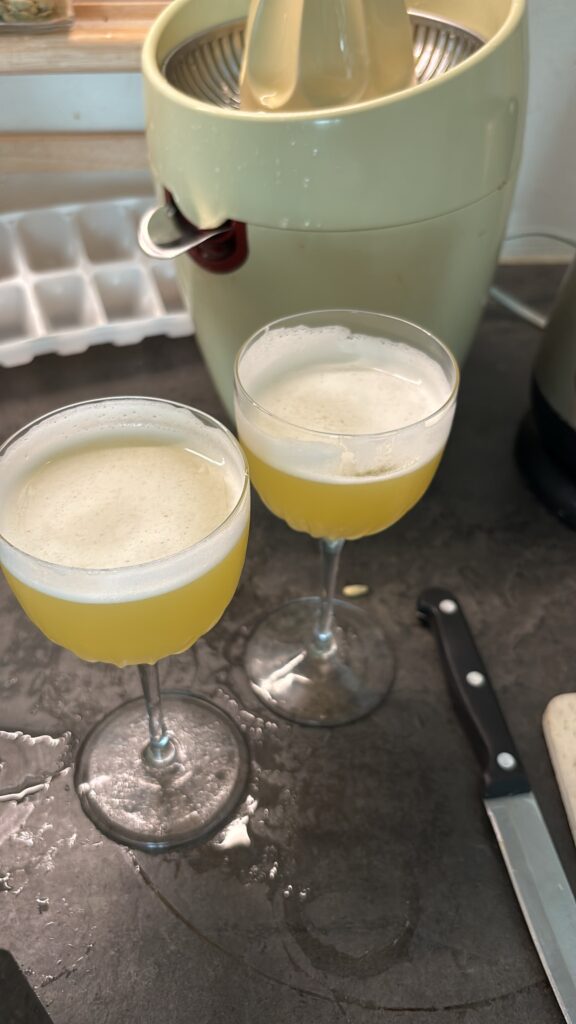
Finally, let’s really travel back in time, to the 1800s. They didn’t really have cocktails yet, but they did love their drinks. Wine, whisky, you name it. And if you really want to relax, just make sure you sit at the right lake at the right time to spot a wonderful man who’s just gone for a swim and present him with this great beverage. Ou la la? Then try the Pineapple Blossom, which would have been a real treat in Jane Austen’s Pride and Prejudice. Mr Darcy unfortunately not included.
The Recipes
Daiquiri:
- 60 ml White Rum
- 30 ml Lime juice (freshly squeezed)
- 15 ml Sugar syrup

Moonlight Cocktail:
- 45 ml Gin
- 22,5 ml Orange Liqueur
- 15 ml Violet Liqueur
- 7,5 ml Lime juice
- 7,5 ml Lemon juice

Pineapple Blossom:
- 15 ml Sugar Syrup
- 60 ml Whisky
- 30 ml Pineapple juice
- 15 ml Lemon juice

Summer picknick with penne al limone
by Monique Swennenhuis
Getting ready for a lovely summer picknick? Prepare this salad and enjoy! Plenty for four persons.


Ingredients:
- 300 grams penne
- 1 lemon
- 50 grams unsalted butter
- 200 ml whipping cream
- 75 grams grated parmesan cheese
Preparation:
- Prepare the penne as instructed on the package.
- Zest the lemon and squeeze the juice from the lemon.
- Melt the butter on the stove. Once it has melted, add the lemon zest and turn off the stove. Make sure the lemon butter doesn’t cool off too much.
- Beat the whipping cream until it is half stiff.
- Drain the penne, add the lemon butter and the cream and mix it all together gently. Then add most of the parmesan cheese, but leave a little to sprinkle on top.
- Add lemon juice to taste.
- Fill the plates, add a good Mediterranean salad, and you’re done!
Enjoy!