This Spring Edition:
Message from the board, by Ammerins Moss-de Boer
Drama, Disease, and a Doctorate, by Dirk Visser
I humbly take my leave, by Hans Jansen
Famous novels on the big screen: Wuthering Heights and Hamnet, by Reinou Anker-Sollie & Marjan Brouwers
Spring city walk followed by a glorious High Tea
Message from the board
by Ammerins Moss-de Boer
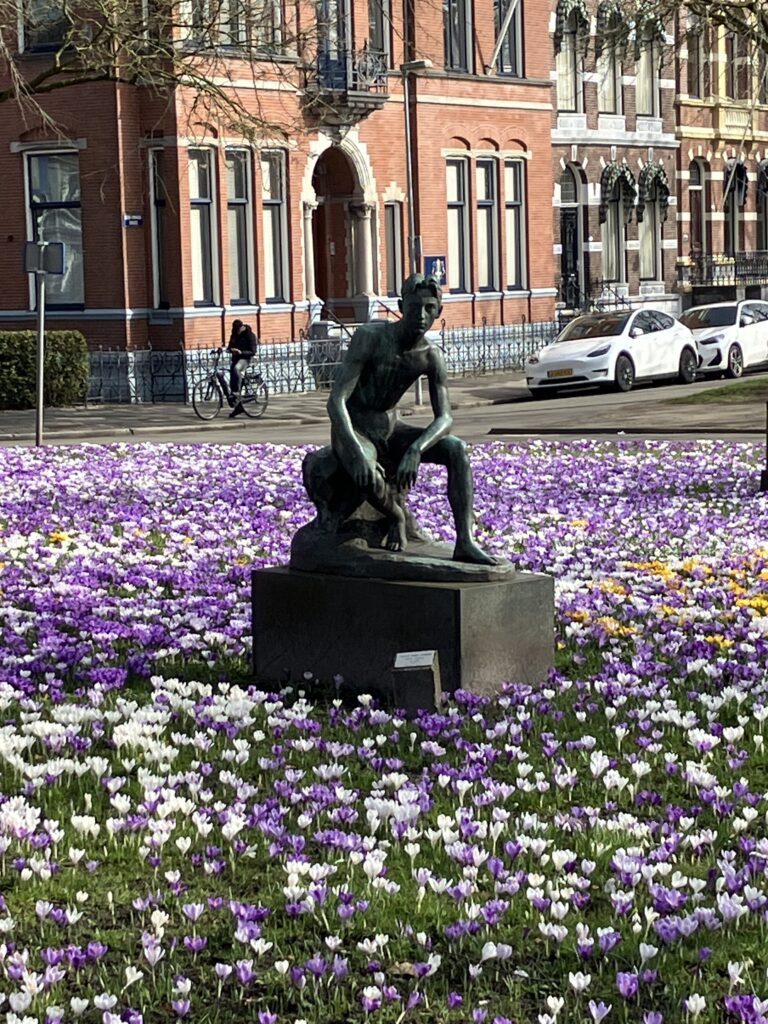
Last weekend I finally came outside to smell the roses again. This has been a bleak and dreary winter, which was dominated by three huge translation assignment (two of which were medical and not very happy…) and corresponding challenging deadlines, and topped off with a nasty flu that caused a lingering chest infection. Where I spent most of January behind a laptop, often until late into the evening, February was spent mostly on the sofa under a blanket (still with a laptop).
Then March arrived and the sun came out, clearing the lurgy a bit. And so I finally ventured outside again. And what often happens; once you do have the energy to go out again, you feel the need to do everything all at once: I cleared the entire vegetable garden, dropped an armful of sprouted potatoes in one of our beds and prepped the others for sowing, cut back all our fruit trees and filled the windowsill with various seed trays. I also dusted of my Pathe subscription and booked tickets to see Hamnet, Project Hail Mary and Wuthering Heights (all within one week), and then this weekend I spent not only an enjoyable walk and high tea in Groningen with fellow alumni, followed on the Sunday by a one-act play festival.
However, I think I overdid it a bit… Go figure. So, I am dialing things down a bit, and while I will still be going outside regularly (especially for those silly walks for my mental health), to keep an eye on all my seedlings and watch the odd movie, I am definitely spending my evenings on the sofa, under a blanket again; not with my laptop… but with a good book! And I’d better, because we only have a few weeks left until the next Books ‘n Booze on 10 April… Only a few chapters in 11/22/1963 to go! See you all then!
Save the dates
Books & Booze
Friday, 10 April: Books & Booze, Stephen King, 22/11/63

Friday 19 June, Books & Booze: mystery book (to be chosen in between cocktails on 10 April)
17 May to 22 May: trip with Hans Jansen to Stratford-upon-Avon. Interested? Find more information here.
Two stories by our esteemed members
Drama, Disease, and a Doctorate
by Dirk Visser
Let me be come out of the closet right here and now: I am not a Leavite. Studying Great Works of Literature in awe of their Great Aesthetic and Edifying Qualities is not for me. In my opinion, this approach reduces literary studies to little more than a glorified book club, and is fodder for those who consider the Humanities an ephemeron which has little or nothing of value to contribute to society.
Being interested instead in the way in which literature actively engages with social issues, I was, of course, very pleasantly surprised when, while working on my “doctoraalscriptie” on the dramatic language of Harold Pinter, I found an interview in which the playwright spoke about this recent turn to political drama. It was this interview that proved the great stimulus for my scriptie, in which I interpreted his earlier, “absurd” plays as political drama. And it paid off. My scriptie got a good grade, and my supervisor, Prof. Helen Wilcox, encouraged me to pursue a PhD.
Blithely unaware of what PhD research entailed, I decided that my area of study would be queer drama. And to that end I spent a term at Sussex University, where the postgraduate course “Sexual Dissidence and Cultural Change” had recently been established, to great dismay of Conservative politicians, who asked questions in the House of Commons, and delight of the tabloids: editorials speculating about the texts that students might encounter (“Tight-Ass Andronicus” or “The Fairy Wives of Windsor”). Under the guidance of Prof. Alan Sinfield, a frontrunner in the field of queer studies, I embarked on my study of gay representation in English drama.
Back home, getting my PhD thesis on theatrical representation of the AIDS crisis properly off the ground proved more difficult than I had imagined, also because I had to combine it with starting a teaching career. To cut a long story short, despite Helen Wilcox’ continuing encouragement the project floundered and seemed to die a silent death.
Fast forward to 2020, when I received a phonecall from Marguérite Corporaal, former fellow student in Groningen, successful PhD student of Helen Wilcox, and now Professor at Radboud University Nijmegen. She asked me to step in for a colleague on sick leave, and, once I’d started my Nijmegen teaching duties, suggested I take up my abandoned studies again, and complete them in Nijmegen. And so, now supervised by Marguérite and Ruud van den Beuken, an inspiring teacher, excellent academic, and at least as great a theatre buff as I am, I started again.

My studies resulted in my dissertation, entitled Plague Reenacted: Memorializing the AIDS Crisis in British and North-American Drama. In my thesis I discuss the various ways in which theatre engaged with the epidemic, particularly with the stigma that surrounded it. Especially during the 1980s and 1990s the AIDS crisis provoked a voluminous cultural response (AIDS activist Tim Miller even speaks of “an explosion of theatre and dance and music”). Unfortunately, with the exception of Larry Kramer’s The Normal Heart (1985) and Tony Kushner’s Angels in America (1990-1992), much of this theatrical output has been forgotten. In order to redress this imbalance in current cultural memory, I spent a lot of time in library archives and secondhand bookshops, and chased playwrights in order to persuade them to allow me access to unpublished scripts. This hunt resulted in a corpus of just over a hundred plays, which I now had to categorize.
I found that the theatrical response to the AIDS crisis is wider and more varied than is usually acknowledged. Plays range from educational drama, melodrama, in-yer-face theatre, radical political drama, to farce and musical (“Even at a time of plague, there’s a time to sing”). Discussion of these plays is spread over three chapters. The first discusses drama written and performed during the crisis years of the 1980s and 1990s: the years when AIDS wreaked havoc particularly among the gay community, while the Reagan administration turned a blind eye. I explore how activist drama accuses the government of genocide by neglect, how it responds to the rhetoric that held the supposedly sexually extravagant gay subculture responsible for the disease, and how educational drama had to dodge anti-gay legislation in both the US (the Helms Amendment) and in Britain (Clause 28). The second chapter moves to the years following the introduction of effective medication, and discusses drama that engages with the thorny question why some gay men return to unprotected sex, thus seemingly confirming the stigma that AIDS patients only have themselves to blame for the disease. The third chapter moves to the 21st century, and explores how drama deals with the trauma of AIDS-survivors and with the question how to preserve the memory of the crisis years for a younger generation. A concluding chapter explores how AIDS drama can still play a role in queer activism today.
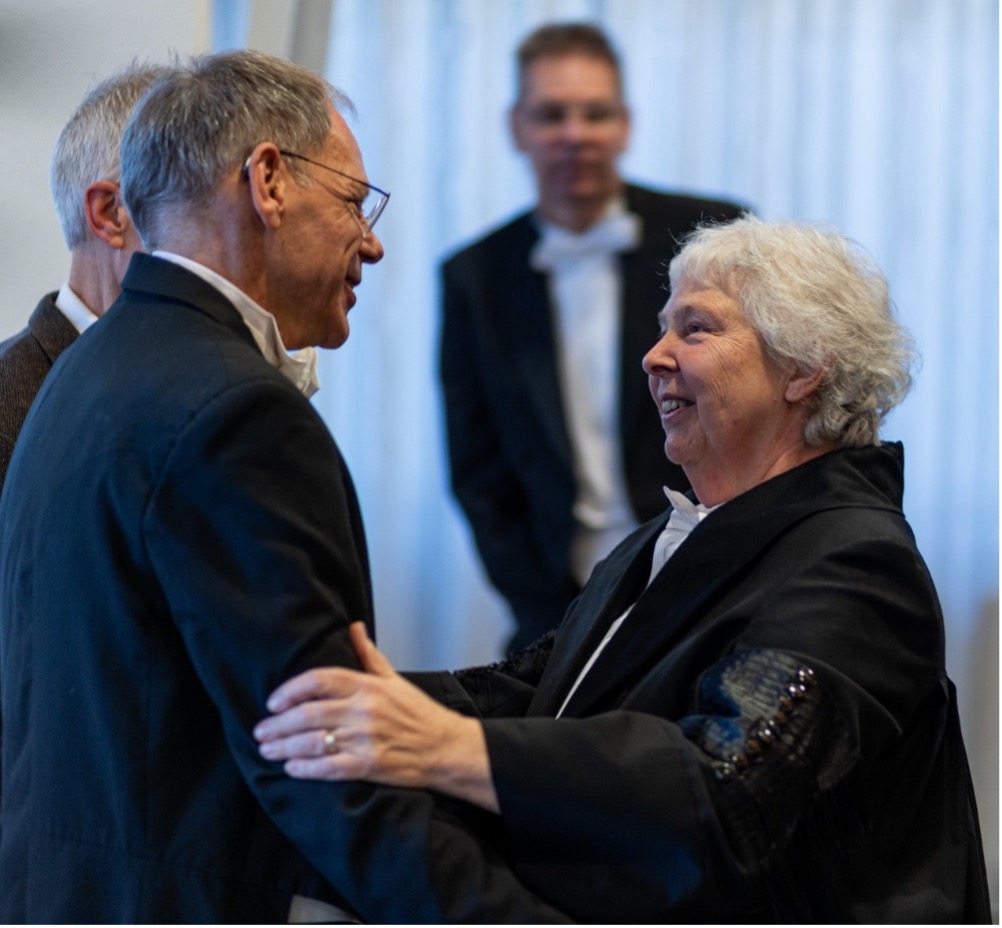
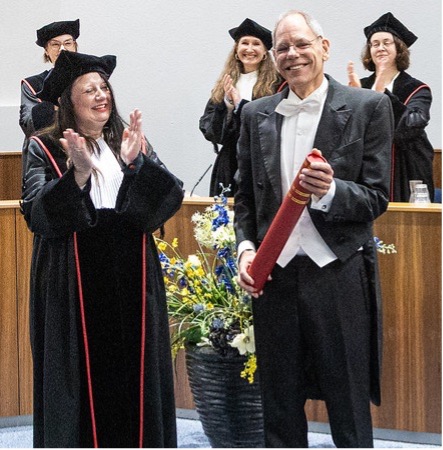
I count myself lucky in having had two Groningen supervisors (even though the second one was now based in Nijmegen), and was very happy to see both of them at my defence in December. Even the current Groningen professor of Modern Literature, Prof. Julia Kühn, joined the promotion committee, making sure that the Nijmegen ceremony could easily have been mistaken for a Groningen one. And I was pleasantly surprised to see Henk Dragstra in the audience. Where would English studies in the Netherlands be without Groningen?
I humbly take my leave of you
by Hans Jansen
As I am writing this, I have just entered the last month of my employment at the University of Groningen. For now. About which more later.
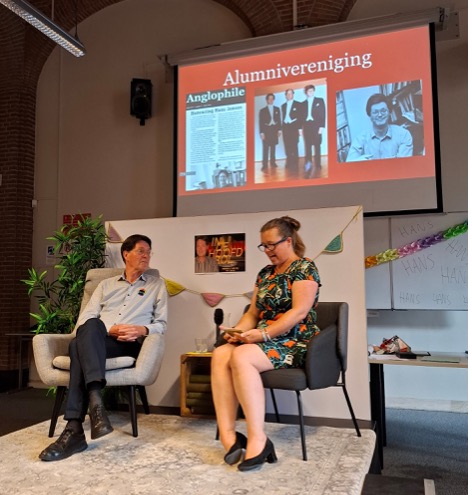
Some readers may have been under the impression that I left the university to enjoy retirement in the summer of 2025. Indeed, in June I had my first farewell do, a spectacular and totally unexpected “This is Your Life” (“In de Hoofdrol”), organised by the English department. Many students, former student, even fellow students, colleagues and former teachers attended. Ammerins de Boer spoke to me on behalf of the alumni association, and there were speeches by colleagues, former colleagues, students and friends. I was deeply touched by all the attention and the kind words lavished on me. The gift I received was a considerable sum of money to allow me to go to a theatre trip in Stratford-upon-Avon on my own, rather than with a group of students. Much though I have enjoyed those trips, not having to go to the Birthplace, and to have time to myself between lectures and theatre performances was a welcome start of my “quiet life”.
At another farewell do, my fellow study advisors from the Arts faculty abducted me blindfolded for a trip abroad. We appeared to be going on an often discussed minicruise to Durham, where I was to show my colleagues around. In and around Durham people spoke German to an unexpected degree, and at some point I sussed that we might actually be on the island of Borkum pretending to be Durham. (Well, we travelled by car to a port, by boat to an island, and by train to town, so it almost fit.) I was presented with a brilliant 1000-piece jigsaw puzzle with stills from films of Shakespeare plays, but without an example to work from. They gave me the titles of the films, but mine was the task to, as it were, piece it all together. I saved that for the long winter evenings, and specifically the Christmas holidays.

After clearing out my office I thought I could relax and set out on my trip to Stratford. Or so I thought. I was wrong. To begin with, on the day of my departure, the e-mail presented me with a special issue of Anglophile, entirely devoted to me! I was dumbfounded! Of course, being an alumnus of the University of Groningen myself, and having worked here for so many years (more than 42), I have a long and warm relationship with the alumni association. I was a board member for years, and spoke on numerous occasions at alumni gatherings, and regularly try to attend activities. But still, to be honoured by a special issue felt as too much!
Still, I read, I laughed, I frowned (not in disapproval, but because my memories sometimes differed from those of the writers), and I wiped away a tear or two as well. I did, because I was deeply touched. The memories of Annie van der Veen and Con Diender took me back 47 years or so, to our student days in Groningen. About a year ago I had a meeting in the alfa-gebouw, the current Heymans building, where until 1989 the English department could be found, and our butt prints can still be seen in the stairs and the window sill of the third floor. (I checked.) Funnily enough I do not remember teaching in Bristol, but as Shakespeare says, “Lord, lord, how subject we old men are to this vice of lying.”
Yes, Paul, we had fun on our holiday in Scotland and the Lake District (in that order), I cherish the memories of our misty adventure, and mum’s the word on s.d.; and, yes, Paul, “we have heard the chimes at midnight”. From the Panting Deer to “the Wall” was a small step. (For the younger readers, “Het Hijgend Hert” was the pub in Papengang we frequented in the seventies and eighties, and “De Muur” the cafetaria “automatiek” around the corner in Peperstraat). Noises Off is a hilarious play, but I was not involved in that production (although I did see it in Assen). But I am very grateful to Helen for entrusting the Shakespeare at Stratford course to me. It has given me endless joy (and hopefully inspired many students). Henk Dragstra refers to me as clean-shaven, but truth to tell, I cannot remember needing to shave much at that time. My beard, or the growth of facial hair that precedes what one might call a beard, came late to me.
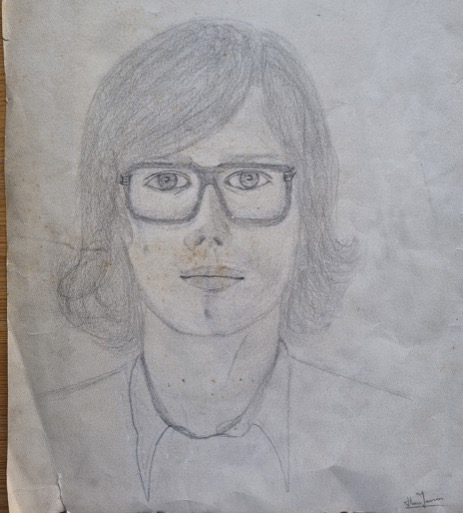
And though I probably was a decent student, I did not manage to complete a four-year Kandidaats in three years. In fact, I completed a three-year Kandidaats in slightly over three years. Sloth. I do remember reading Ulysses (and enjoying it!), but I don’t think that was in Bristol, and in my memory the first introductory weekend for freshers was organised a year before I became involved. Even so, in retirement I should certainly reread Ulysses, as I am rereading all of Shakespeare right now. And I’m glad I can enjoy watching programmes on the BBC, and believe that it was Fleur’s and mine activism that made it possible.
I apologise to all those students who like Anne, fell for the tea and books lure (something tells me a lot of them moved on to Books & Booze). Syca’s memory of me correcting her pronunciation is probably correct. “ThumB” indeed! But she certainly has Holofernes on her side, “I abhor such fanatical phantasisms, such insociable and point-devise companions, such rackers of orthography as to speak “dout” sine “b” where he should say “doubt”; “det” when he should pronounce “debt” – d, e, b, t, not d, e, t.” If she’d had her Shakespeare at the ready she could have corrected me. I hope the trauma is not too big. Trauma’s. I must have caused many. Years ago a former student became a colleague somewhere in the university. I welcomed them and congratulated them on their new job. And I meant it. The next day they visited me and shame-facedly admitted to not having slept all night. Apparently I had caught them plagiarising once, and they were now convinced I did not think them worthy of their job. In fact I could not remember this at all (though now I do). The trauma was theirs. I apologise to all students who feel similarly slighted. Let’s suppose it was all in a good cause. And in any case, I can’t remember it. I only remember the good things: the students who impressed me with their keen interest, their ideas, intelligence, and enthusiasm.
I do not at all want to give the impression that I am criticizing the writers of Anglophile; in fact, my memories may well be misleading me half the time. I’ve certainly come to believe the things I’ve made up. But I am amused at the thought of all those historians and biographers who are trying to make sense of the life of past greats (I am definitely not including myself here), and who are struggling to interpret contradictory evidence. Would Shakespeare have taken his friends to task for including Henry VI part 2 in the First Folio? Or for excluding Pericles? Would he even remember all the plays he’d written or been involved in himself? Did he know when he was born? Or what his wife’s name was? Whately, Hathaway? (he probably called her ducky, or mouse). In clearing out first my office and then my mancave, I came across various projects I’d forgotten all about. The things one gets up to!
In spite of Elke’s suggestions, I will not insult anyone involved in this issue of Anglophile. I should rather perfect Monique’s scrumptious scones (they are not yet perfect; my bad.) In fact, I am eternally grateful to all those friends who supported me, encouraged me, taught me and helped me survive 40 years in the English department. I could not have done this without you! And of course all of those students whom it was my privilege to teach and supervise as study advisor. Thank you all very very much.
I hope to continue to drive to Diever for pre-performance introductions for many years to come. Or even after. I encountered Witte Wieven on Bosweg in January, but I did not hear them riddle. Thank you, Reinou, for this lovely tale. Marjan displays an uncanny knowledge of my past. I cannot remember turning green on receiving the message that I had to go to Groningen (that’s what happened in the seventies; some mysterious power decided where you had to go and study), but the story is indeed part of family history. You captured the horror of what might have been in combination with the joys of what is and what may come wonderfully.
And so on to my next farewell. I’m not referring to my funeral, of which I do not expect to notice anything myself, and which I hope will be some time off. But after retiring in August 2025, the university rehired me in September. They must have been desperate. So last semester I taught a class on Macbeth, and a course on ‘Shakespeare for Teachers’, to students in the Teacher Training programme. I even took 40 students to see the Midsummer Night’s Dream in Diever. Last week I graded papers, and in February I will be marking some papers of students who received an extension or had to re-write their essay. But March will then see me really retired. Really? Well, the university has actually requested me to teach ‘Shakespeare for Teachers’ in the next three years! Or as long as they need me and I can distinguish King Lear from King John.
Although I have retired, it is indeed still my voice that announces to many people all over the university that it is time to go home and for the buildings to close. So I’m a little like the Cheshire Cat. It may not be my grin, but my voice that lingers. I am considering donating my body to the department, to be placed in a glass cupboard near the reception. Like Jeremy Bentham, they can cart me out at meetings. I’ll abstain from voting. But I may be heard to protest loudly at ridiculous suggestions of scrapping the teaching of Old English, Middle English, and indeed Shakespeare in favour of young adult fiction or fantasy and romance. The horror! The horror! I’ll haunt those corridors forever.
Books on the big screen
Hamnet: leaving the cinema wet-cheeked
By Marjan Brouwers
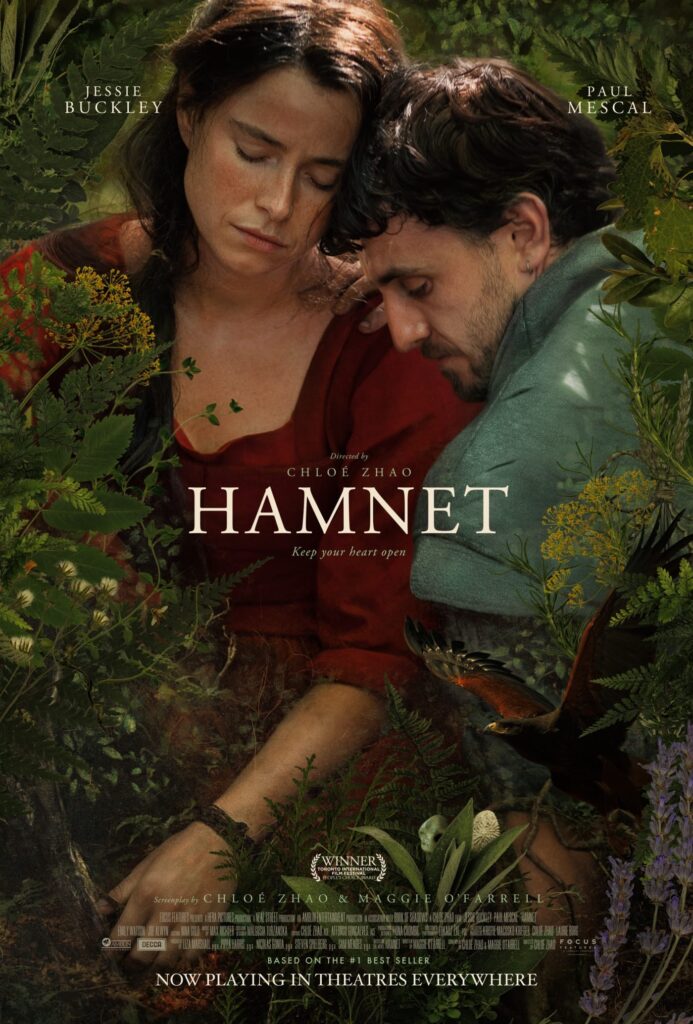
My cheeks were wet when I left the Forum cinema after watching Hamnet. At home, I ordered Maggie O’Farrel’s book Hamnet, a novel of the Plague, at once, planning to read it as soon as possible. What a wonderful story. And what a beautifully made film. What great actors. (Of course Jessy Buckley was awarded the Oscar for best actress).
Now, I was going to compare the film to the book it was based on, but unfortunately I haven’t been able to read it in time. According to a book club podcast I listened to, the book is better than the film. Which is not surprising: this is almost always the case. A film based on a book will always tell the story in it own way. Sticking too closely to a book often results in disappointing films. The same goes for films that diverge too much from the book. (I am very curious to read what Reinou made of the Wuthering Heights film.) Whether this film is true to the book, I cannot say, since the book remains untouched in my e-reader. If the book is better than the film, I am in for a wonderful read!
Hamnet is a story about Agnes and William Shakespeare and their children although the name Shakespeare is not mentioned once. Agnes is a wild woman, who – like her mother before her – prefers to roam the woods, to learn about the healing properties of herbs and to sleep underneath the trees. Will falls in love with her the moment he spots her. His family doesn’t approve of Agnes, but they marry anyway when she turns out to be pregnant. The story follows her life as a young wife and mother, while Will builds his career in London, writing plays.
While London is ravaged by the bubonic plague, Agnes and her children are safe in the countryside, or so it seems. Without giving away too much, it is fair to say tragedy strikes, resulting in ddd and sorrow. We know from the start of the film that sturdy young Hamnet will not survive. Hoping beyond hope that this tragedy will not come to pass, the tears came when this beautiful boy, played so magnificently by 12-year old Jacobi Jupe (remember his name) offers his twin sister his life, hoping death will take him instead. While in a lot of reviews Jessie Buckley’s show of grief is discussed, this scene between brother and sister got me most.
This film is about family life, about grief and motherhood. About how you can go on after losing a child. About how you must, for your other children. And also about how parents deal with grief in different ways. Agnes mourns openly, screaming her despair to the heavens. Will turns inwards and expresses what he feels in his play Hamlet. What this means for both Will and Agnes is something I will not give away. Go watch the film, it is really worth it.
Some final recommendations:
– Read the book!
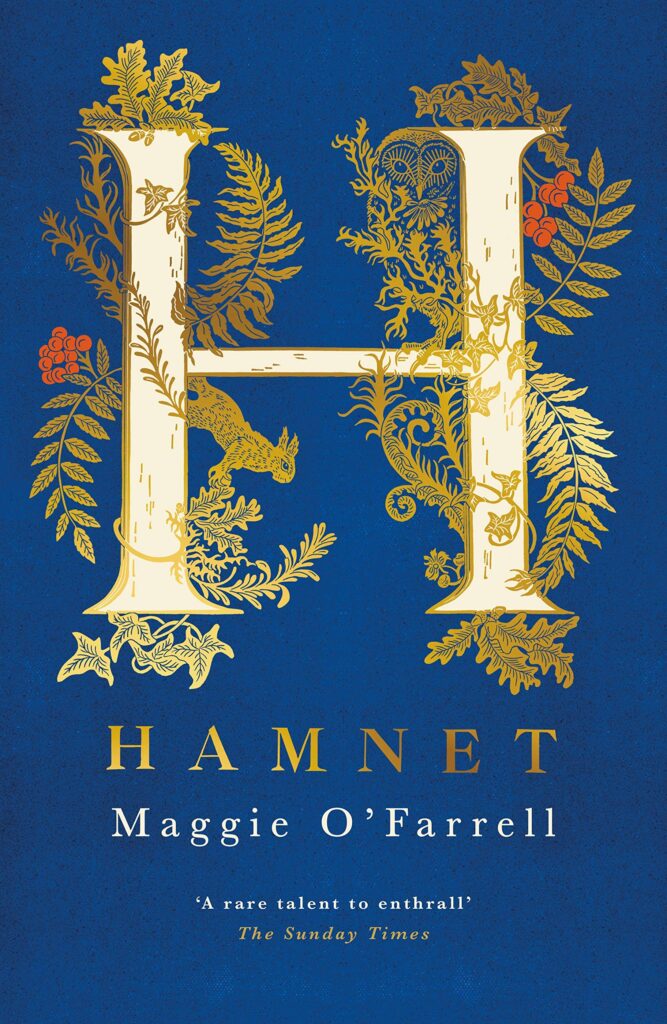
– Listen to the Goalhanger podcast The Book Club, hosted by Dominic Sandbrook and Tabitha Syrett discussing classic and contemporary novels. So far they delved into Wuthering Heights, Never Let Me Go, The Great Gatsby, Hamnet, Nineteen Eighty-Four and The Secret History.
Watch the wonderful dance takes cast en crew performed after recording a particular emotional scene on Chloé Zhao’s instagram!
And finally this: watching the film I was struck by the uncanny likeness between Hamnet the boy and Hamlet the actor. Only now, reading up on reviews and such, I found out how come: the actors are brothers in real life: Noah Jupe, Jacobi’s older brother plays Hamlet the actor. Well done director Chloé Zhao! Read more about these two wonderful young actors in this article in Time.
What to Make of Wuthering Heights?
Dearest Gentle Reader,
It is with a mind still delightfully unsettled that this author reports on a recent excursion to the moving picture adaptation of Wuthering Heights, that most tempestuous of romances penned by Miss Emily Brontë. One might have hoped that a night’s rest would quiet the thoughts it stirred — and yet, they persist, drifting about like moorland mist.
When pressed for her sentiments, one companion described the production in a single word: “moist.” Indeed — “wet” might also suffice. It was not merely the ever-present rain that dampened hems and spirits alike, but a certain pervasive humidity of atmosphere, of breath, of gaze, of bodily and other fluids. Rarely has a moving picture so thoroughly embraced this element.
This author could not help but observe the abundance of visual detail — though it was not merely composition that commanded attention, but colour. Most striking of all was the persistent intrusion of bright red: vivid, almost brazen, flaring against the gloom like a secret too passionate to remain concealed. Elsewhere, the camera lingered with curious devotion upon smaller particulars — the hands within Thrushcross Grange, pale and deliberate, speaking their own silent language of entrapment, desire, and the characters’ inability to let go. The audio, too, demanded attention. It did not simply accompany the images; it pressed upon the senses with determined force, insisting upon its presence. Whether that impression was wholly welcome is, perhaps, another matter.
And yet, dear reader, the narrative itself proved rather less expansive than one might expect from so formidable a novel. The tale was reduced chiefly to the passions of Heathcliff and Catherine, a mere portion of the original tale. Certain alterations were also made — though this author shall refrain from indiscreet revelations, lest future viewers be deprived of surprise. One cannot help but wonder: were these simplifications intended to render the story more accessible to the masses? Or do they, perhaps, risk belittling the intricate architecture of Miss Brontë’s design?
Curiously — and most vexingly — this author remains unable to deliver a decisive verdict. Fatigue threatened to overtake me before the lights dimmed; I half anticipated slumber. Yet I did not succumb. Something held my attention fast, though whether through fascination or bewilderment I cannot yet say. There was, it must be confessed, a notable measure of gore — enough to repel even the hardiest constitution. And yet, as a devoted admirer of the Brontë canon, I watched with keen interest: what was preserved, what was discarded, and what was daringly reimagined.
Alas, until this author can untangle her own sentiments, she shall do what society does best — consult the opinions of others, weigh them carefully, and determine where agreement may be found.
Thus, if it would amuse you further, dear reader, this author would be most delighted to procure a selection of the sharpest critical remarks — plucked straight from the pens of society’s most discerning reviewers — or even direct you to the public ledgers of opinion, where such verdicts are tallied for all to scrutinise at their leisure.
The esteemed critic Roger Ebert appears to have found himself in a similar quandary as this author. As he so pointedly observes, “It’s hard to feel free when you are constantly and loudly reminded by every aspect of the movie that you are supposed to feel things.” One cannot help but detect, beneath that measured reproach, a gentleman who arrived with certain expectations — only to discover that the evening unfolded rather differently than anticipated. Whether his disappointment stems from confusion or from hopes left unmet, this author dares not say.
The Spanish critic Máriam Martínez-Bascuñán offers an observation no less incisive. She remarks that the “problem isn’t that [the producer] is unfaithful to the book. Every great adaptation is. The problem is the direction of her infidelity: she doesn’t take the novel further, she makes it more comfortable.” How delicately — and yet how devastatingly — put. For what is scandal, if rendered comfortable? What is passion, if made polite? Her words suggest not outrage at betrayal, but disappointment at timidity. And in this, dear reader, this author detects a curious kinship with her own unease. It is not simplification alone that unsettles, but the suspicion that such trimming of wild edges was performed in the name of accessibility — to soothe the audience rather than to unsettle it. Pray take note: these observations concern the work in its entirety, not isolated moments within the picture. Indeed, certain scenes seem almost to overcompensate for the very issue at hand, as if aware of their transgression and eager to make amends.
And so, dearest reader, as this humble account draws to a close, this author extends her sincerest gratitude for your most patient attention. In an age where opinions abound and certainty is so often feigned, it is a rare pleasure to share in uncertainty together.
Should you find yourself tempted to form your own judgment this author strongly advises that you do so within the grand confines of the cinema itself. For whatever its narrative liberties, this Wuthering Heights demands to be seen and heard in full measure: its striking visuals and insistent soundscape are not merely adornments, but essential accomplices to the experience.
Yours devotedly,
Lady Solhaven
Spring walk followed by a glorious High Tea
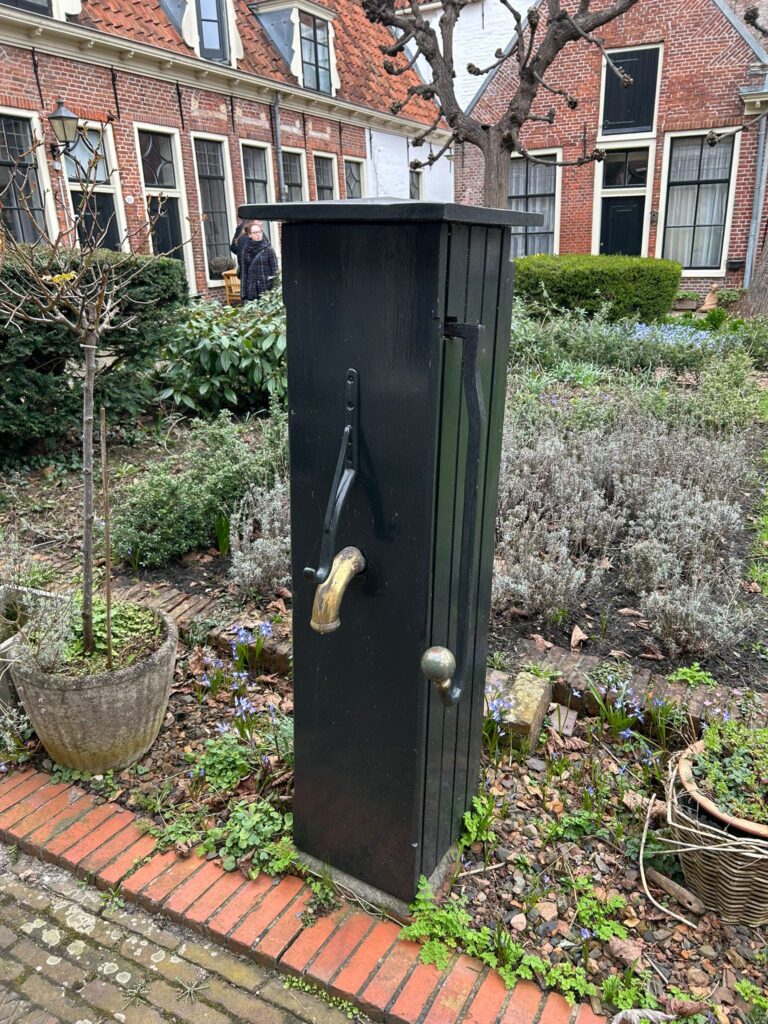
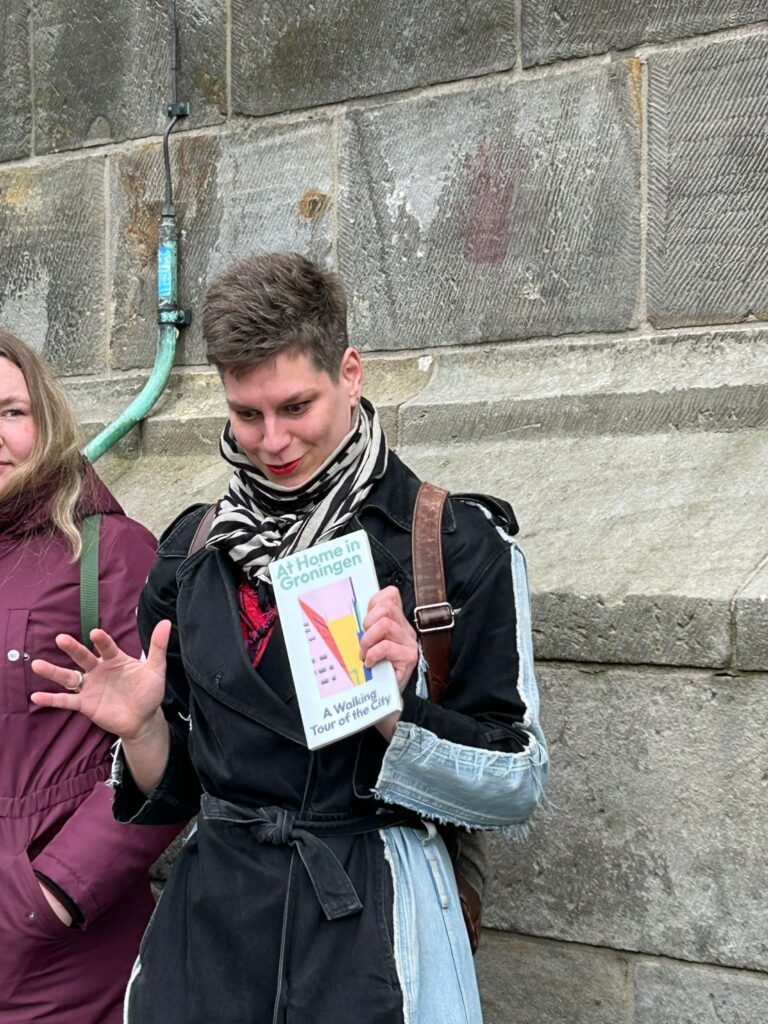
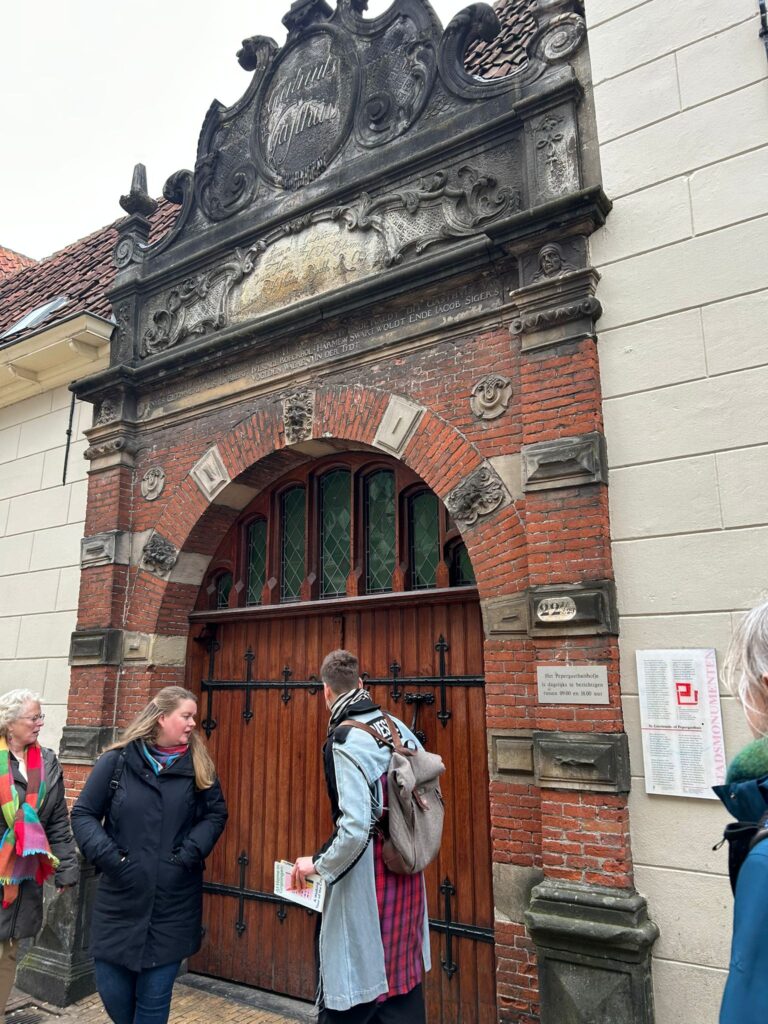
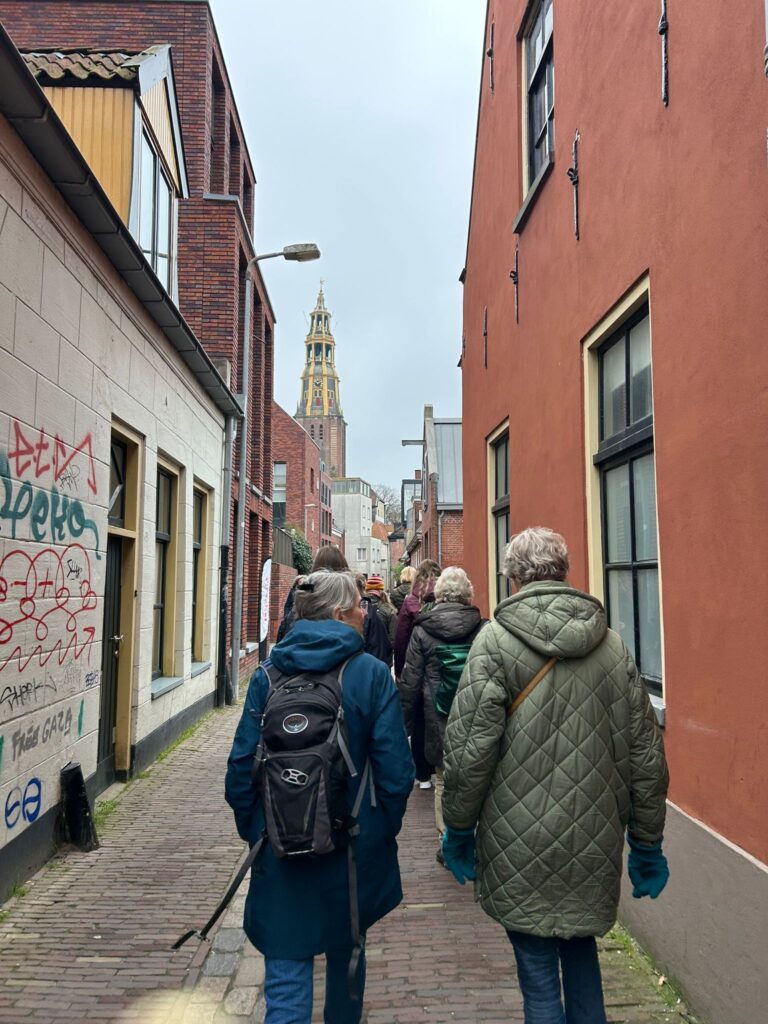
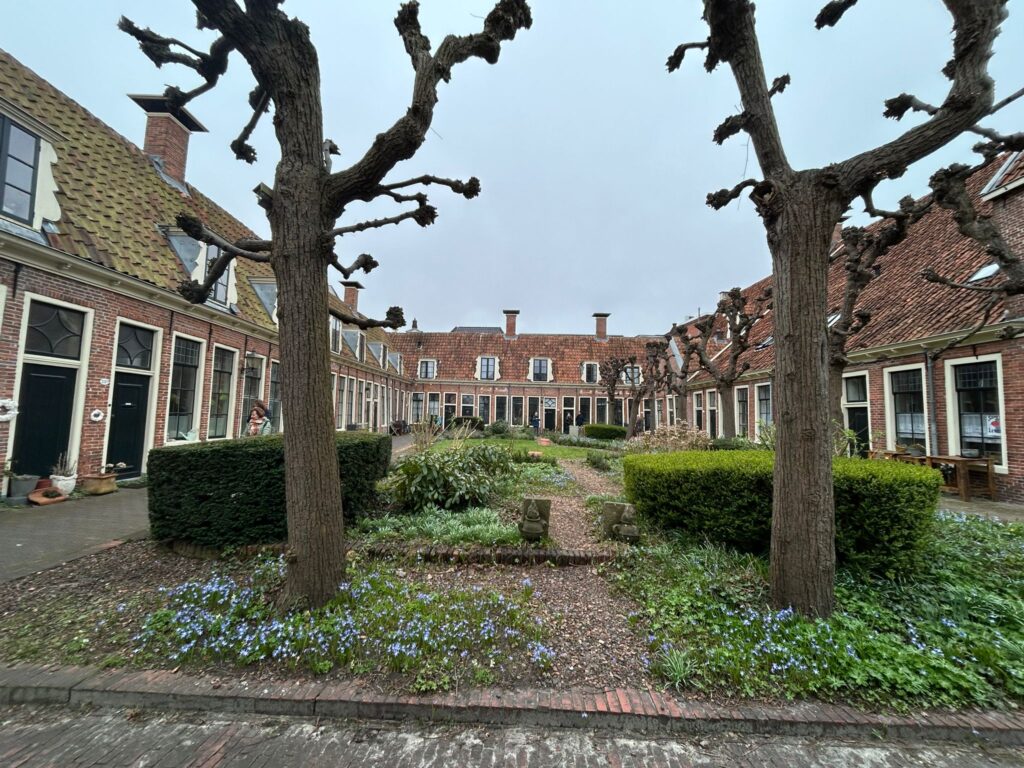
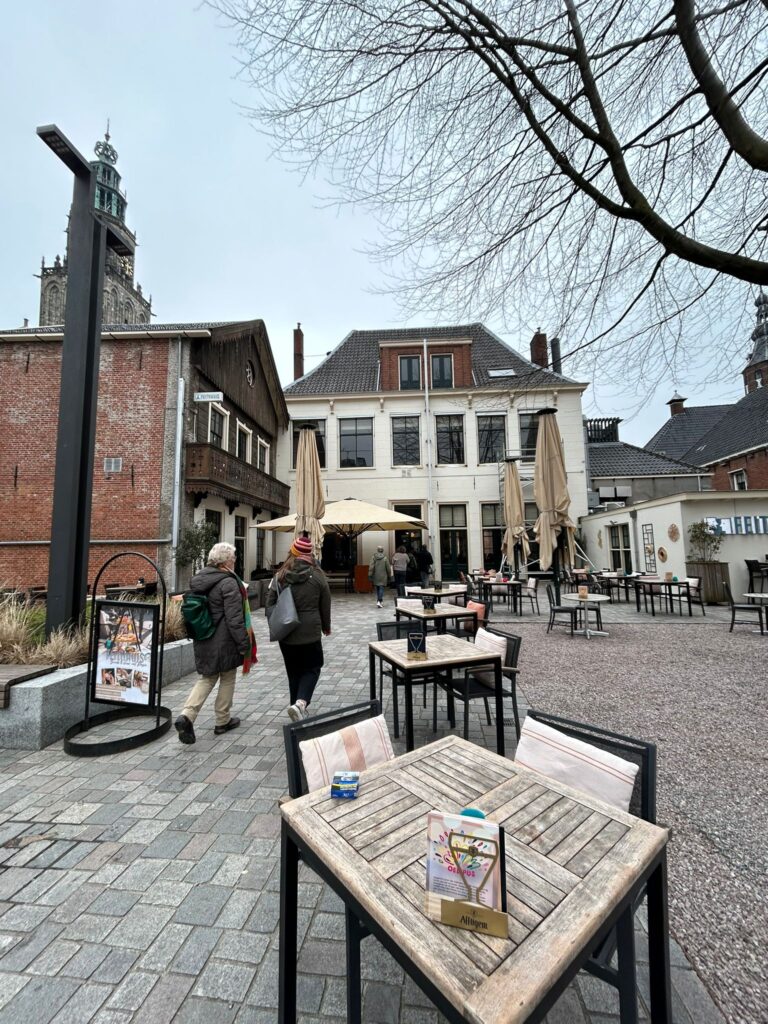
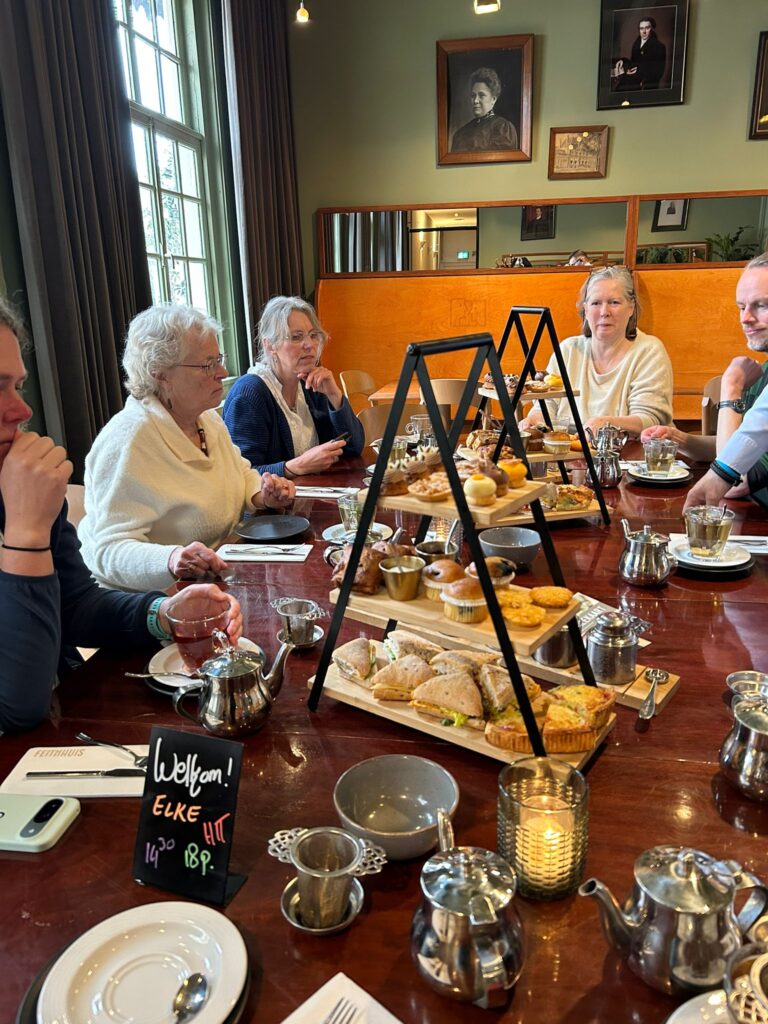
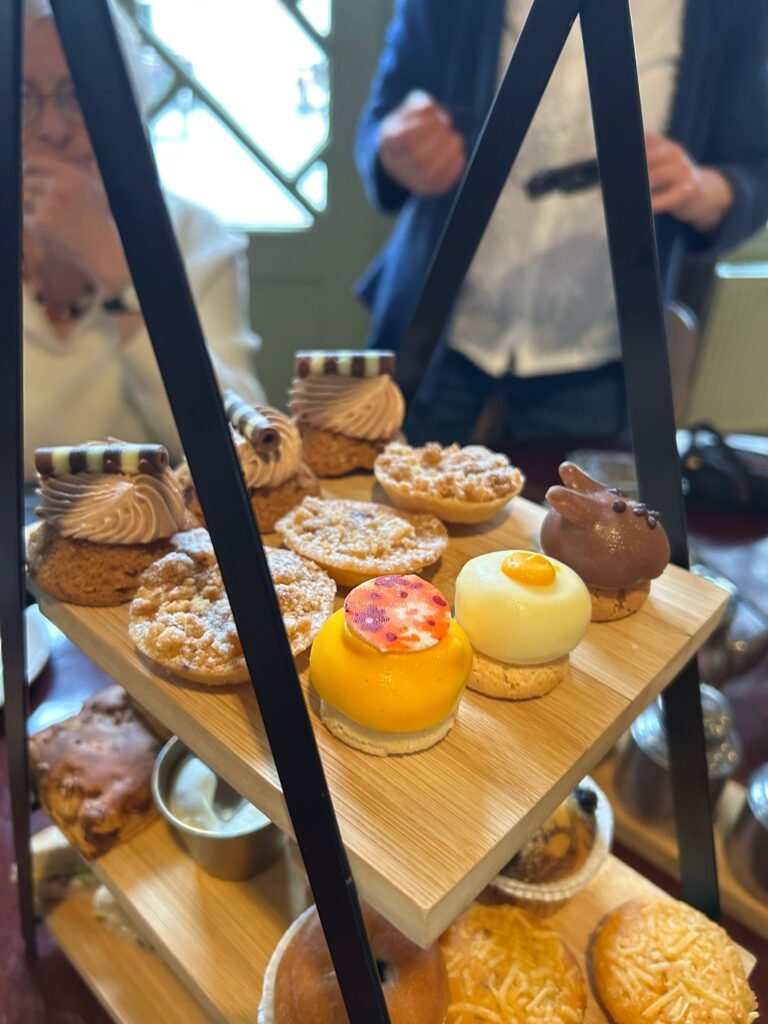
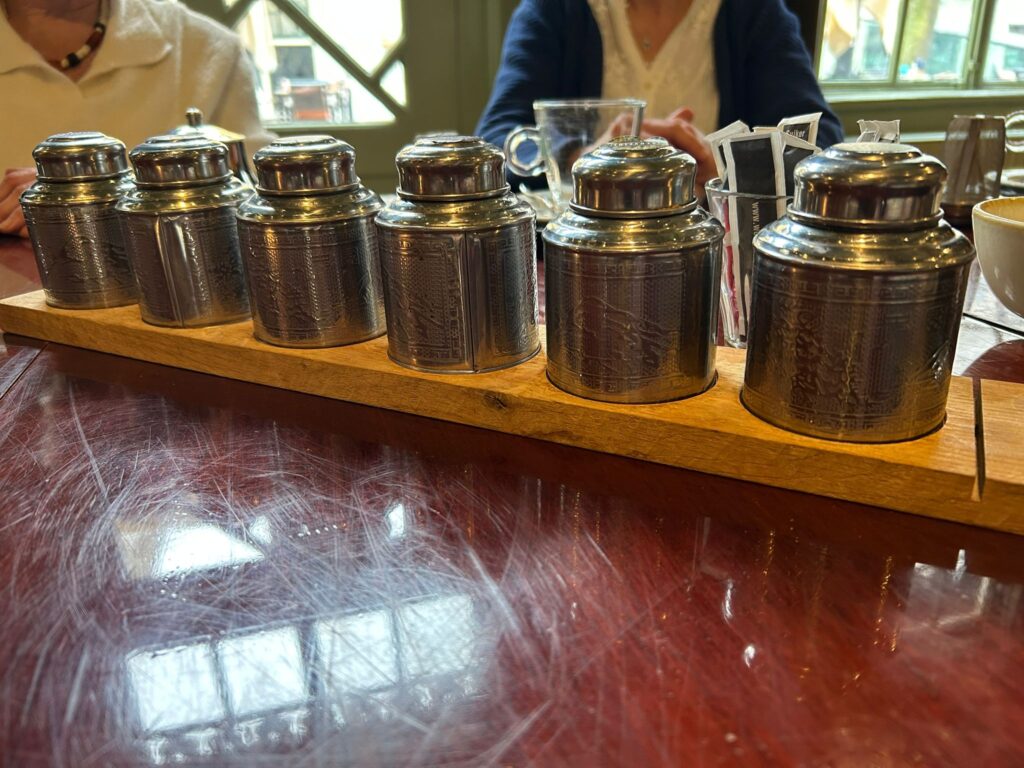
On Saturday 21 March we welcomed Spring with a brisk walk and a lovely high tea. The city walk took us to wonderful hidden gems and the tea, well, as you can see, it was indeed glorious! Go to our instagram account for the movie!